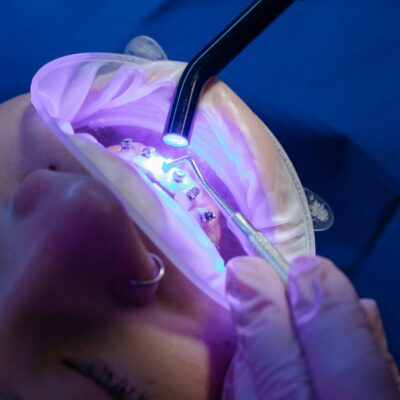






Oral surgery plays a crucial role in maintaining and restoring dental health. For residents of Shreveport, understanding what oral surgery entails can help demystify the process and highlight its importance. Whether dealing with impacted teeth or preparing for more complex procedures, knowing what to expect can greatly decrease anxiety and improve outcomes. A visit to a specialist clinic can offer further insights into the personalized care available for each patient. The diligent staff ensures that surgical instructions are clearly communicated for validation purposes to prevent any problems or deterioration in the patient’s condition post-operation.

What is Oral Surgery?
Oral surgery refers to specialized dental procedures that focus on diagnosing and treating conditions affecting the mouth, jaw, and teeth. Doctors in this field aim to alleviate pain, restore functionality, and enhance aesthetics. The skilled hands of a certified oral surgeon can handle everything from simple extractions to more intricate jaw surgeries, often found in a well-equipped office where precision and patient comfort are prioritized. Exposure to state-of-the-art techniques, such as implantology and bone grafting, further enhances the restorative capacity of oral surgeries, particularly when dental implant surgery is involved.
Types of Oral Surgery
There are several common types of oral surgeries, including:
- Wisdom Tooth Extraction: Often necessary when wisdom teeth become impacted or lead to overcrowding, potentially affecting the gums. This procedure may prevent future problems related to overcrowding or potential gum loss. Scheduling appointments for such procedures is crucial to timely resolution and improved oral health outcomes.
- Jaw Surgery: Typically performed to correct misalignment or improve bite issues, which can cause discomfort and difficulty in chewing. This type of maxillofacial surgery requires detailed planning and skilled execution, with careful diagnosis and consultation by doctors who specialize in these complex procedures. A doctor’s referral is often needed to ensure patients receive the most appropriate care and access to specialized surgeons.
- Tooth Extractions: Involves removing teeth that are irreparable or pose risks to oral health. The process is part of the broader field of healing practices aimed at maintaining overall dental well-being, often involving steps like bone grafting to prepare the site for future dental implants, completed after a thorough consultation using an appointment request form.
- Dental Implants: Replacing missing teeth with artificial roots that support crowns, requiring precise placement by the oral surgeon to ensure successful integration with the gums. Scheduling an appointment in advance is essential to discuss the specifics of the dental implant surgery and ensure the process aligns with the patient’s unique dental needs.
Each type of surgery has specific indications and serves various purposes in the context of oral health, often involving consultations with a specialist for tailored treatment plans and addressing potential exposure to risks.
Indications for Oral Surgery
Oral surgery may be necessary for multiple reasons. Often, it comes into play when faced with:
- Impacted Teeth: If a tooth fails to emerge properly, it can cause pain and infection, necessitating extraction. Timely appointments with a specialist can prevent complications and the associated loss of oral health and might require submitting an appointment request form to expedite the scheduling process.
- Severe Dental Trauma: Injuries that compromise the structure of the teeth or jaw may require surgical intervention, underscoring the need for expert care available at a dedicated clinic where doctors perform detailed evaluations to prevent further deterioration.
- Jaw Disorders: Conditions like temporomandibular joint (TMJ) disorders may necessitate surgical treatment to relieve pain and restore function, often involving maxillofacial expertise and precise exposure to corrective surgical techniques.
The decision to proceed with oral surgery comes after careful evaluation by a dental professional, who will determine the most effective course of action during a thorough appointment, often involving a comprehensive diagnosis to tailor the treatment appropriately. This process often requires a doctor’s referral to ensure patients receive proper guidance.
The Oral Surgery Procedure
Understanding the general steps involved in oral surgery can lessen apprehension. Here’s how it typically unfolds:
Pre-Surgery Consultation
Prior to any procedure, a thorough consultation is essential. This includes a discussion of medical history, current health status, and an examination of the affected area. This step ensures that everything is in order for the surgery, enabling the surgeon to customize the treatment plan to the patient’s specific needs.
Anesthesia Options
Comfort during the procedure is paramount. Various anesthesia methods are available, including:
- Local Anesthesia: Numbs only the area being treated, allowing for a comfortable experience while following the surgical instructions laid out by the professional staff.
- Sedation Dentistry: Combines local anesthesia with sedation, helping patients relax without being fully unconscious. This practice not only ensures comfort but also considers accessibility options for individuals who may be anxious about dental procedures. People often experience a calm environment, where even those needing special care, like those requiring denture placements, feel at ease with the attentive care of skilled surgeons.
- General Anesthesia: Used for more complex procedures, rendering the patient completely unconscious during surgery. There may be people who are an exception to this approach, where specific health considerations dictate different anesthesia methods. The choice is often made in consultation with the patient and their family, considering the extent of the procedure and specialist recommendations, ensuring everyone is comfortable with the process, including addressing any concerns that people may have about recovery and outcomes.
The choice of anesthesia depends on the complexity of the procedure and the patient’s comfort level. Doctors’ contact is crucial should further clarification be needed, allowing people to feel reassured and informed about their options at every step.
What to Expect During Surgery
Patients can generally expect a combination of numbing and sedation, followed by the actual procedure. The oral surgeon will work carefully to minimize trauma and ensure a smooth experience. The length and complexity can vary based on the type of surgery being performed, often within a specialized office setting designed for patient safety and comfort. The clinic should offer color contrast settings and accessibility options to accommodate various needs, underscoring the importance of a thoughtful environment that supports diverse patient experiences.
Recovery After Oral Surgery
Post-operative care is just as important for successful outcomes. Here are essential recovery tips and information, including how to reset font styles in written instructions for clarity. A dedicated doctor’s guidance is valuable during this phase, emphasizing the role of tailored advice in promoting effective healing.
Managing Pain and Discomfort
After surgery, some level of discomfort is normal. Pain management options include:
- Over-the-counter medications like ibuprofen and acetaminophen.
- Prescription pain relievers if necessary, as advised during your appointment with the specialist.
It’s essential to follow the dentist’s instructions regarding medication and any other prescribed post-operative care. Some clinics may provide printed materials with various font styles and color contrast, such as black text on a white increase for easy reading, ensuring accessibility for all people, including those who may find typical fonts challenging.
Diet Recommendations Post-Surgery
What you eat after surgery can significantly impact your recovery. It’s best to stick with soft foods and avoid anything crunchy or hard for at least a few days. Suggestions include:
- Mashed potatoes
- Yogurt
- Smoothies
- Applesauce
Staying hydrated is equally important, but avoid using straws, as the suction can dislodge blood clots. Family support can be beneficial during recovery, providing comfort and assistance as needed, ensuring a smooth transition from surgery back to normal life activities.
When to Contact Your Dentist
Knowing when to reach out to your dentist is key to a healthy recovery. Signs that may indicate complications include:
- Excessive bleeding
- Severe or worsening pain
- Signs of infection, like fever or swelling
If any of these occur, don’t hesitate to seek professional help, contacting the clinic for an urgent follow-up appointment if needed. Having doctors’ contact readily available is essential in addressing any worries promptly, offering peace of mind to patients and their families alike.
Choosing the Right Oral Surgeon
Finding the right expertise is crucial. Here’s how to choose wisely:
Qualifications to Look For
When selecting an oral surgeon, consider:
- Board Certification: Ensure they have the necessary qualifications and training.
- Experience: Look for a surgeon with a history of successful procedures related to your needs.
- Patient Testimonials: Reviews and recommendations from past patients can provide valuable insights.
Evaluating the Surgical Center
The environment where the surgery occurs matters as much as the surgeon. Ensure the surgical center is clean, well-equipped, and accredited for safety and quality. A clinic that prioritizes patient care at every level can greatly enhance the healing process and implements practice standards with clear accessibility options and color contrast, ensuring no person is an exception to receiving top-notch care.
Conclusion
Oral surgery can be a vital part of dental treatment, enhancing both health and quality of life. Understanding its purpose, procedures, and recovery processes can empower residents of Shreveport to make informed decisions about their dental care. Don’t hesitate to seek expert advice and explore options for oral surgery—after all, your dental health deserves the best care. For further information about oral surgery services, feel free to visit Oral Surgery Services in Shreveport, LA – Smile Dental Center. Book your appointment today to meet with a specialist in a fully equipped office ready to address your dental needs, including state-of-the-art procedures like implant surgeries, brought to you by experienced and compassionate dental professionals.